


Instacart Shopper Rewards
4.2141.00 Reviews
App Specs
- Version
- 2026.8.3
- Updated On
- License
- Free
- Downloads
- 100,000+
- Developer
- Branch Messenger
- Categories
- Finance
- Platform
- Android
Screenshots
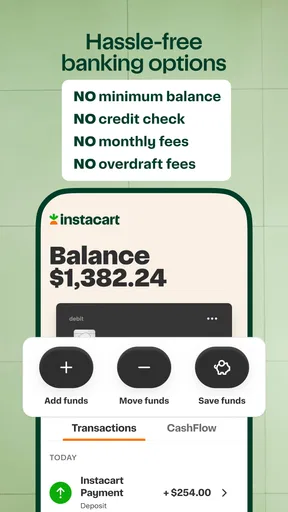
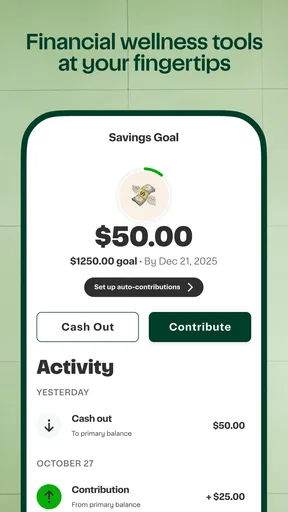
 Analysis by AppCompare
I approached Instacart Shopper Rewards as a finance app for people who earn through Instacart shopping and want a debit-card-based way to manage that money. Its purpose is easy to understand from the first screen: it is built around a newer card experience rather than trying to be a general-purpose budgeting suite. That focus is both its appeal and its main limitation.
My first impression was that this is a practical companion for a shopper’s work routine, not an app I would recommend as a complete replacement for a traditional bank. If your income comes from Instacart work and you want your earnings and everyday spending to feel more connected, the idea makes sense. If you mainly need investing tools, detailed household budgeting, or a broad collection of banking services, you will probably still need another app beside it.
How the app fits into a shopper’s working day
The app is developed by Branch Messenger, and its identity is closely tied to the shopper experience. That matters because the best way to judge it is not by comparing it with every finance app on the market, but by asking whether it reduces friction between completing shopping work, accessing money, and using a debit card for ordinary purchases.
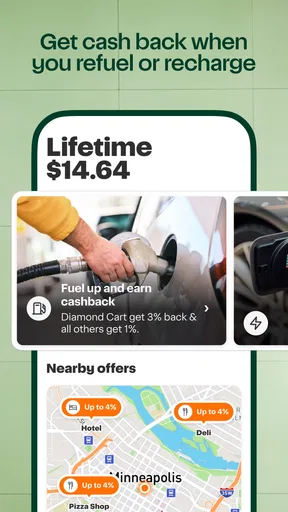
A realistic example is a shopper finishing a busy afternoon and wanting to keep work-related money separate from a personal checking account. A dedicated card can make that separation easier to understand. I could imagine using it for fuel, parking, a quick meal between batches, or other expenses connected with being on the road, while leaving household bills in a different account. That kind of separation is more useful than a long list of features if it helps me see what money is available for work.
The free price also lowers the barrier to trying it. I would still read every screen shown during setup and card activation, because “free” does not automatically mean every possible transaction or service has identical conditions. The important question for a shopper is not simply whether the app costs anything to download, but whether its day-to-day money movement fits the way that person gets paid and spends.
The age rating is Everyone, which makes the presentation approachable rather than intimidating. That does not remove the need for care: a finance app still deserves a strong device passcode, careful review of notifications, and attention to where money is being sent. The friendly entry point is useful, but financial decisions should not be made casually just because the interface feels simple.
A focused alternative to a normal bank account
Compared with a conventional checking account, this app appears more specialized around the Instacart shopper workflow. A regular bank is usually the better home for rent, utilities, savings goals, joint finances, and long-term account history. Instacart Shopper Rewards makes more sense as a work-oriented layer, especially for someone who wants a clear boundary between shopper earnings and personal money.
Worth Reading Before You Choose

EA SPORTS FC Mobile 26 Is a Bigger Football Game, but It Takes Time

Flipboard Shows What News Apps Must Do Beyond the Feed

Switching to Android Auto Means Rethinking Your Driving Routine

Google Calendar Makes a Crowded Week Easier to Manage

Ludo King Makes the Most of the Minutes Between Plans

Baby Panda World Brings Quick Play to Modern Phones, but Its Game Library Feels Busy
Compared with a generic prepaid card, the Instacart connection is the reason to pay attention. A generic card may be useful for controlled spending, but it does not carry the same relevance for someone whose income is connected to shopping work. On the other hand, a traditional bank may offer a wider range of services and a more mature set of tools for managing a complete financial life.
That distinction helped me form a realistic recommendation: think of this as a specialized financial companion, not as a universal answer. It can be valuable when its connection to your work is the feature you need most. It is less compelling when you are searching for a single app to handle every account, goal, and payment in your life.
What the current release tells me
The app was released on August 6, 2025, and the current version is 2026.8.2. Those details suggest an actively maintained product rather than an abandoned experiment, although a version number by itself is not proof that every part of the experience has been redesigned. I treat it as a sign to look at the present app, not to assume that older impressions still describe it accurately.
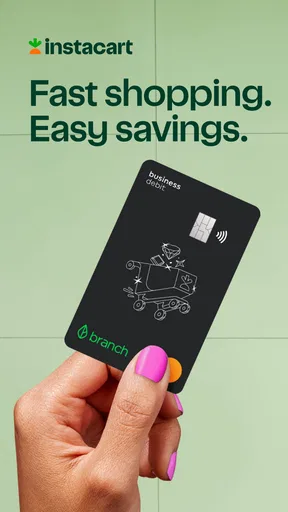
The store summary presents the product as a discovery of a new debit card, while the short description identifies it as Instacart Shopper. Together, those cues point toward a card-centered evolution. The emphasis is not merely on displaying financial information; it is on giving shoppers a more direct way to interact with a debit card associated with their work.
That product direction is important for existing users. Someone who previously thought of the app mainly as a way to access shopper-related money may now encounter a stronger card identity in the experience. In practical terms, that can make the app feel more useful during daily spending, but it can also make the setup and card-management steps more central than some users expect.
I would not interpret the newer version as a reason to move all personal finances immediately. A sensible approach is to test the workflow with a small, clearly defined purpose: use it for shopper-related spending, observe how naturally it fits your routine, and only expand its role if it consistently saves time and keeps your money easier to understand.
What existing users may notice
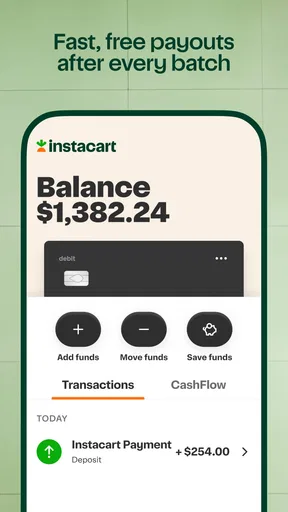
For someone already familiar with the app, a card-focused direction can change the rhythm of use. Instead of opening it only when checking a balance or handling a work-related payment, the user may begin treating it as part of the shopping day. That is a meaningful shift because a card becomes useful at the exact moment an expense happens, not only afterward.
There is also a psychological benefit to separating work spending from personal spending. When fuel or other on-the-road purchases appear in the same place as shopper-related funds, it becomes easier to review whether the work is paying for itself. This is not a full accounting system, and I would not rely on it alone for tax records, but it can create a cleaner first layer of organization.
My practical tip is to establish a simple checking habit: review the balance before starting a shift, use the card only for the category you intended, and look back at the activity after finishing. That routine can reveal whether the card is genuinely helping or simply creating another account to monitor. The value is highest when the app reduces mental sorting instead of adding another stream of transactions.
Notifications, card controls, and account access also deserve deliberate attention. I would enable only the alerts that help me notice important activity without turning every ordinary purchase into noise. If an alert is easy to ignore, it stops being useful when a genuinely unfamiliar transaction appears. A focused notification setup is a small but non-obvious way to make a card app safer and less distracting.
Where the experience still needs caution
The biggest limitation is scope. A shopper-focused finance app should not be judged as though it were a complete replacement for a full bank, a tax platform, or a budgeting application. I would still keep separate records for mileage, receipts, maintenance, and other work expenses. A card can show transactions, but seeing a purchase is not the same as maintaining the documentation needed for careful financial planning.
I would also be cautious about relying on one payment route. Every card-centered setup benefits from a backup plan, especially for someone who works away from home. Keeping another payment method available can prevent a blocked or unavailable card from interrupting a shift. That is not a criticism unique to this app; it is simply a sensible trade-off whenever daily work depends on access to a financial tool.
Another point is separation itself. Using a dedicated card can clarify work spending, but it can also encourage overspending if the available balance feels like extra money rather than money already assigned to a purpose. I would decide in advance which purchases belong on the card. Without that rule, the account may become less organized over time, particularly when personal and work expenses happen during the same trip.
People who need shared household access should think carefully before making this their central account. A specialized shopper tool may be convenient for one person’s work routine while being awkward for family bills or shared financial goals. In that situation, a normal bank account is likely the better primary hub, with this app used only for the shopper side of the household budget.
Questions I would answer before switching
Would I use it as my only bank? No. I see it as a focused option for shopper-related money and card spending. I would keep a conventional account for broader needs unless the app’s full workflow, support, and account services clearly matched those needs over time.
Is it useful if I am an occasional shopper? It can be, but the benefit depends on whether the separation helps you. Someone who shops rarely may find a dedicated financial app unnecessary, especially if an existing bank already handles deposits and spending comfortably. A frequent shopper is more likely to appreciate having a work-oriented card and a clearer routine around those funds.
Can it replace a spreadsheet or tax tracker? I would not treat it that way. Transaction visibility is helpful, but independent records remain important when expenses need to be categorized, reviewed, or retained for tax preparation. The app can support that process; it should not be assumed to perform the entire process.
Is the free download enough to decide? It is a good reason to evaluate the app without an upfront purchase, but I would still inspect the actual account terms shown inside the onboarding and card-management flow. I would pay particular attention to how money moves, what actions require confirmation, and whether the available workflow suits the way I receive and spend shopper income.
Who should skip it? I would skip it if I wanted advanced investing, detailed forecasting, extensive bill management, or a single account for multiple people. I would also skip it if my current bank already gives me a clean way to separate work expenses and I do not want another card to monitor.
Signs of adoption and what I would watch next
The app has an average rating of 4.3 from around 549 ratings, with more than 141 written reviews, and it has passed 100K+ installs. Those figures indicate that real shoppers are trying it and that the product has attracted a meaningful audience, but they do not tell me whether it is ideal for every work pattern. I would read recent user comments for recurring friction rather than treating the average as a guarantee.
For future updates, I would watch whether the card experience becomes easier to understand without making the app feel heavier. The best evolution would preserve the quick, work-focused purpose while improving the moments that matter most: getting started, understanding available money, reviewing activity, and knowing what to do when a payment or transfer needs attention.
I would also look for clearer support around organization. Even without turning into a full accounting product, the app could become more valuable if it helped shoppers distinguish work-related spending from incidental personal purchases in a way that remains easy to review. That would strengthen its role without forcing it to compete directly with established banking and budgeting platforms.
Privacy and account security would be another area I would monitor as the product develops. A finance app earns trust through predictable access, clear explanations, and good handling of unusual activity. Those qualities matter more to me than a crowded feature list because shoppers may depend on the card while away from home and under time pressure.
My recommendation for shoppers
After looking at the app as it stands, I see a useful, specialized option for Instacart shoppers who want a debit card connected to their work routine. The free entry point, approachable presentation, and card-centered direction make it worth testing for someone who wants to separate shopper money from personal finances.
My recommendation is to start narrowly. Use it for a defined purpose, keep a backup payment method, review activity regularly, and maintain separate records for work expenses. Those steps let you judge the app on its real benefit: whether it makes earning and spending during shopper work easier to follow.
The strongest reason to try Instacart Shopper Rewards is not that it replaces every financial tool; it is that it may give shopper income a clearer everyday home. That is a worthwhile advantage for frequent shoppers, but not a universal solution. If your needs extend far beyond a work-linked debit card, pair it with a traditional bank or choose a broader finance app instead.
Pros
- Rewards can add extra value to regular shopping activity.
- Offers are presented within the shopper experience.
- Useful for comparing available perks before accepting orders.
- May provide savings on everyday purchases and services.
- A simple way to track reward-related benefits in one place.
Cons
- Reward availability may vary by location and shopper eligibility.
- Some benefits can have restrictions
- limits
- or expiration dates.
- Rewards may not compensate for low-paying or inconvenient batches.
- The program can change its terms without much notice.
- Not every shopper will find enough offers to make it worthwhile.
FAQs for Instacart Shopper Rewards
What is Instacart Shopper Rewards?
Instacart Shopper Rewards is a benefits program designed for eligible Instacart shoppers, offering access to rewards, discounts, savings, or other perks connected with shopping on the platform. The exact benefits can depend on your location, shopper status, and current promotions. Before downloading or registering, review the in-app terms carefully because availability and program conditions may change over time.
Who can use Instacart Shopper Rewards?
The program is generally intended for people who shop and deliver orders through Instacart, but eligibility may vary by market and account type. Some rewards may require an active shopper account, a minimum number of completed orders, or participation during a specific promotional period. You may also need to verify your identity or meet additional requirements before receiving certain benefits.
What kinds of rewards or benefits are available?
Available benefits may include discounts, promotional offers, savings on selected products or services, and incentives connected with completing shopper activities. Rewards are not necessarily identical for every user, since Instacart can personalize offers according to location, account activity, and current campaigns. Check each offer’s expiration date, redemption rules, and any order or activity requirements before relying on it.
Does Instacart Shopper Rewards cost money to use?
Downloading or accessing the application may not require a separate payment, but some rewards can be linked to paid services, qualifying purchases, membership plans, or specific shopper activities. The program should not automatically be treated as guaranteed income or cash compensation. Read the pricing information and terms shown during enrollment so you understand which features are free and which may involve charges.
Is Instacart Shopper Rewards available on Android and iPhone?
Availability depends on the official app listing, your country or region, and whether your device meets the required operating-system version. Android and iPhone users should download the application only through Google Play or the Apple App Store and confirm that the developer is Instacart. If the program does not appear after installation, it may be unavailable in your market or restricted to qualifying shopper accounts.


